Delivery model 1
Paras (Once Pro)
- Training
- Daily, 1:1 instruction
- Coaching
- Career ladder

Once for schools · 2027-28
In-person, high-impact instruction built for early elementary learners.

01The problem
| Grade | 2019-20 | 2020-21 | 2021-22 | 2022-23 | 2023-24 | 2024-25 | 2025-26 |
|---|---|---|---|---|---|---|---|
| Kindergarten | COVID | 38% | 25% | 25% | 21% | 20% | 20% |
| 1st Grade | COVID | 31% | 24% | 20% | 20% | 19% | 20% |
| 2nd Grade | COVID | 29% | 28% | 25% | 24% | 23% | 23% |
| Grades K-2 | COVID | 33% | 25% | 24% | 22% | 21% | 22% |
Data from a matched cohort of schools provided by DIBELS/Amplify
7.2%
Only 7.2% of students in the bottom 20% at the end of kindergarten reach 3rd grade reading proficiency (Kuhfeld et al., 2026).
There is a growing consensus around how children learn to read. The science of reading is clear.
When we teach children the sounds that letters make, how to blend those sounds together, and give them consistent opportunities to practice, they become strong readers.
Source: The New York Times, September 28, 2026
The challenge is not knowing how to teach children to read. The challenge is actually doing it.
We know that every student needs explicit, systematic instruction that meets them where they are, lots of opportunities to practice, immediate feedback when they make mistakes, and the chance to move forward as soon as they master a skill.
But even in a small group, it is incredibly difficult for the best teachers to hear whether each student is producing sounds correctly, blending sounds together, or making mistakes that need immediate correction.
This is not a problem of teachers not working hard enough or schools not caring enough. It is a problem with how we have traditionally organized reading instruction.
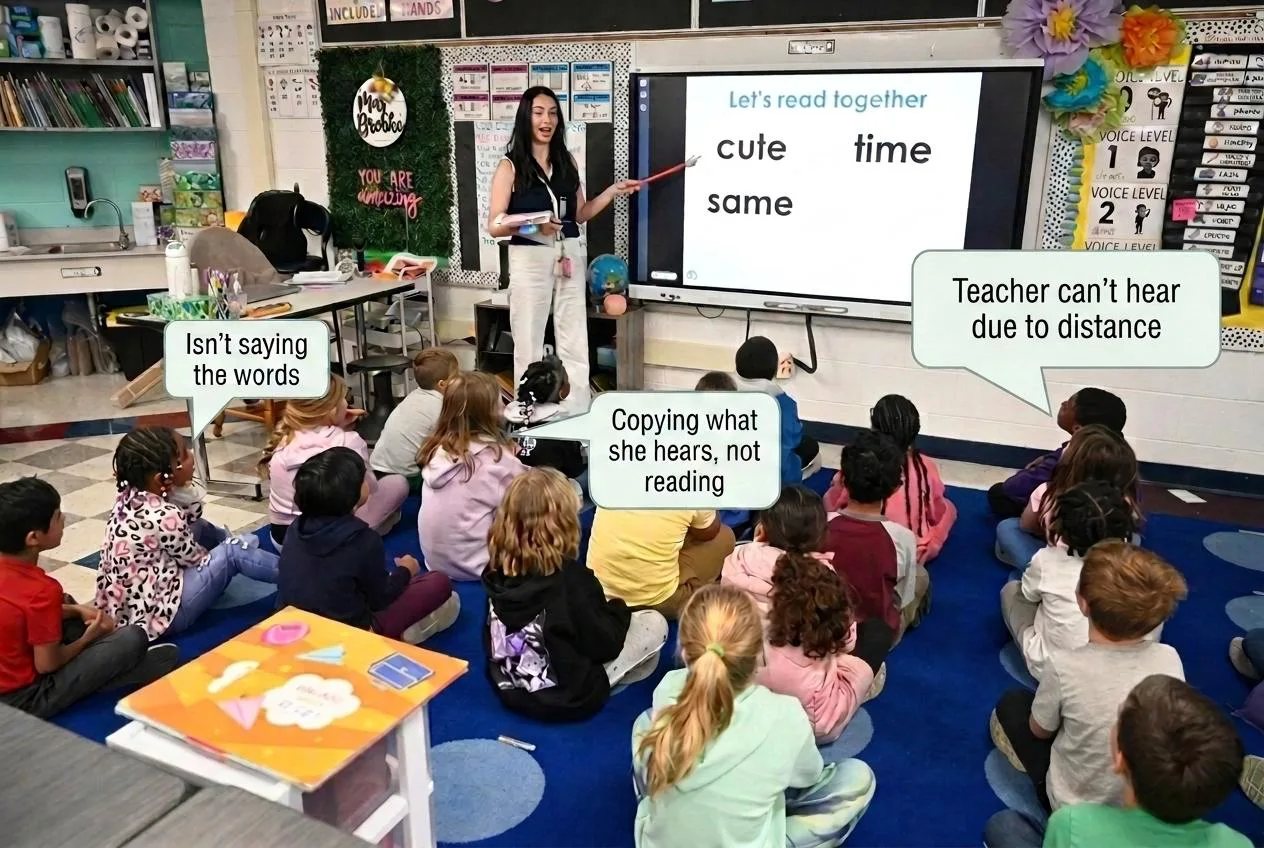
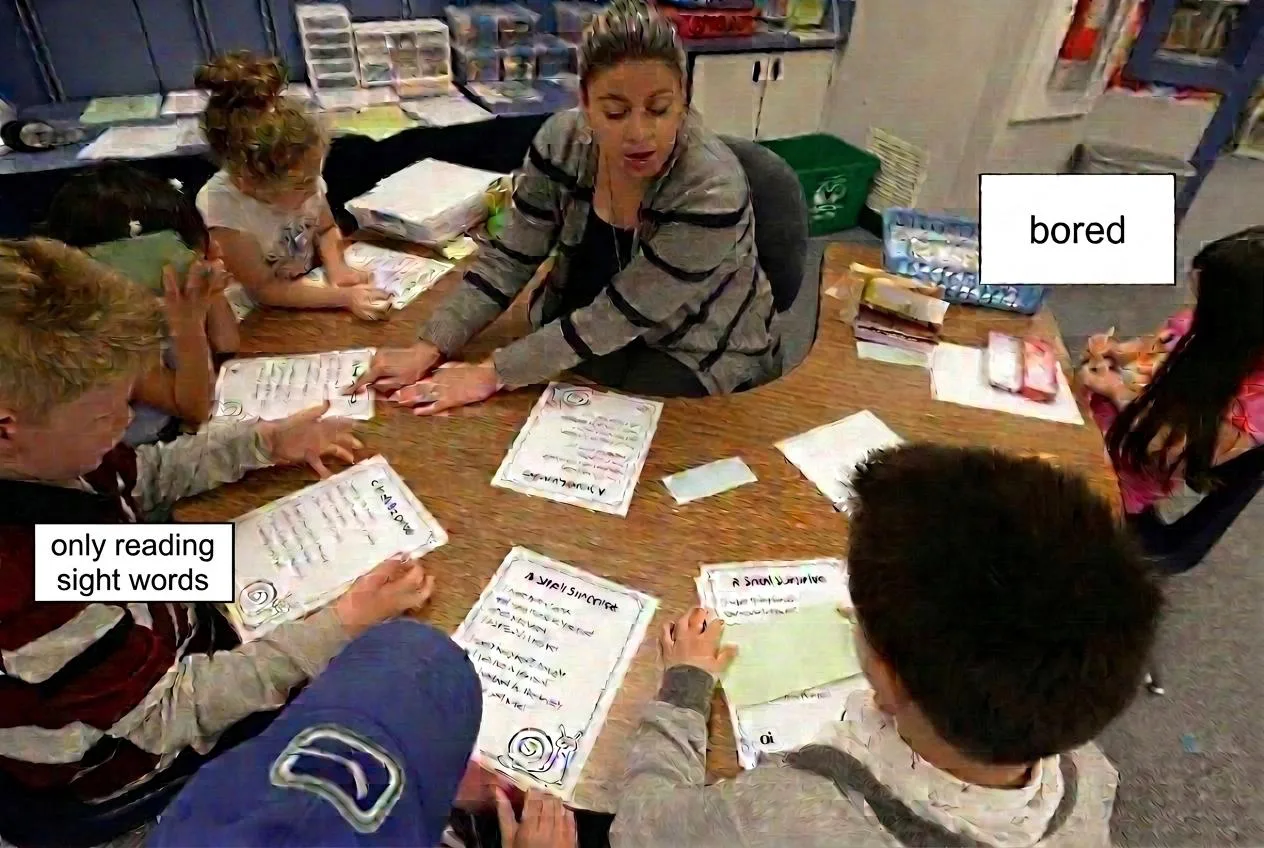
We know what effective reading instruction looks like, but we haven't figured out how to consistently deliver it to every child, every day.
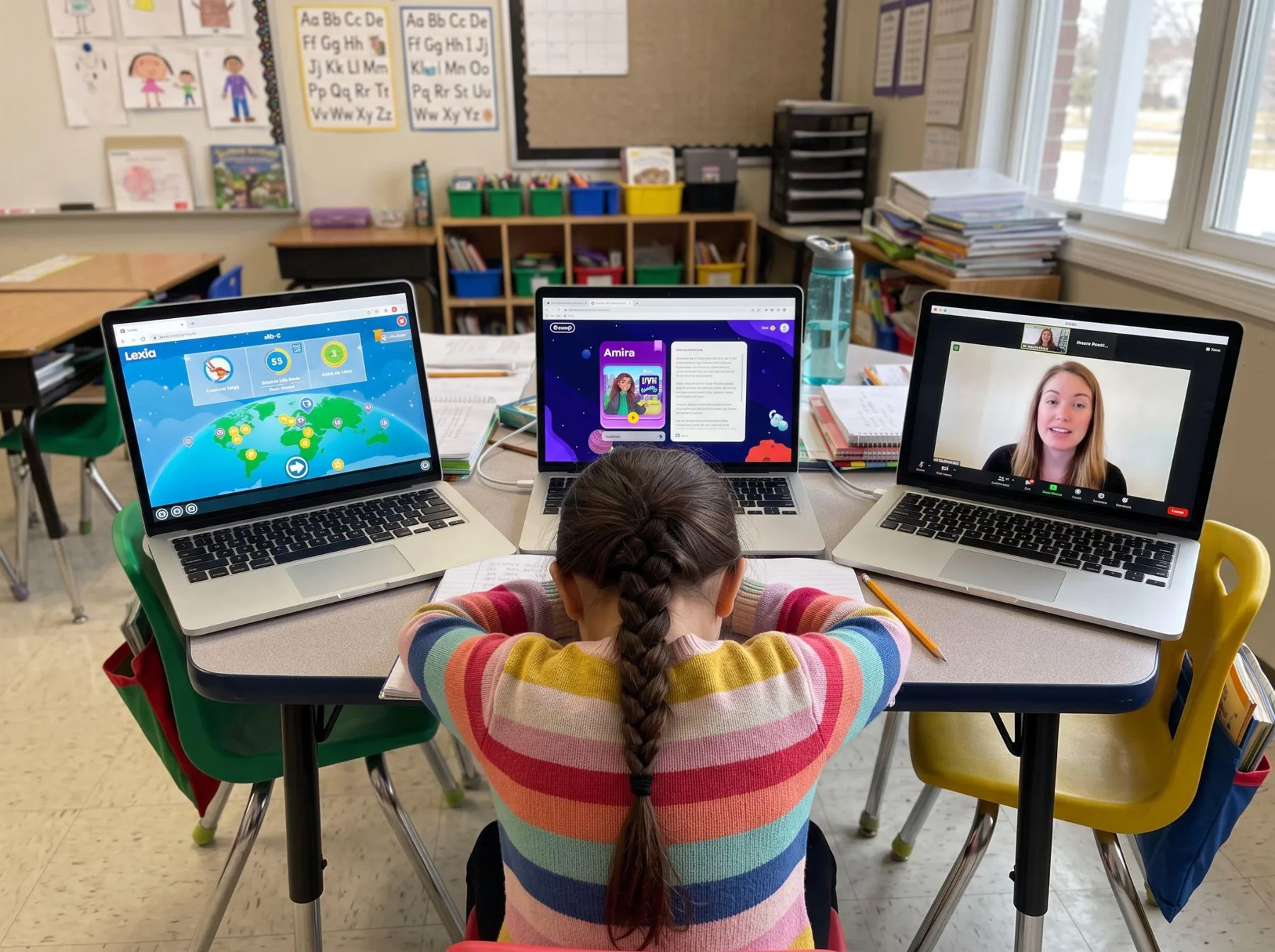
Far too many students across the country finish first and second grade without the foundational reading skills they need. Once students fall behind, the gap becomes increasingly difficult to close, and schools end up investing more and more resources in interventions that might have been avoided if students had received the right instruction from the beginning.
02The Once approach
What if every child could receive the individualized reading instruction that we know works, every single day?
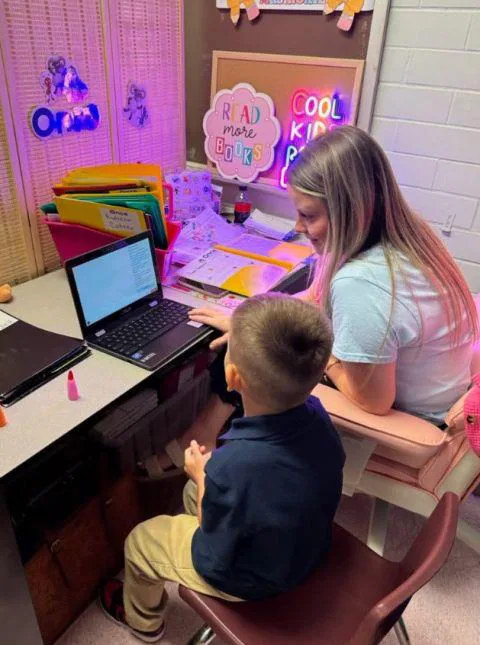
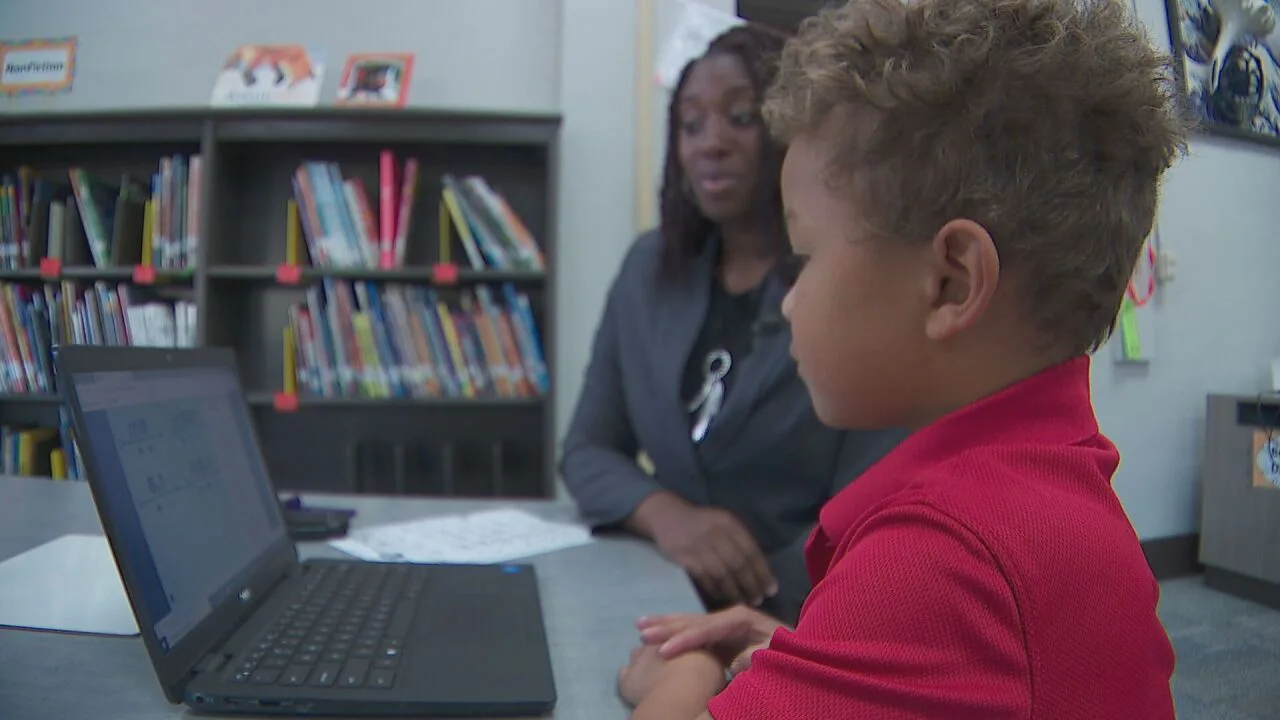
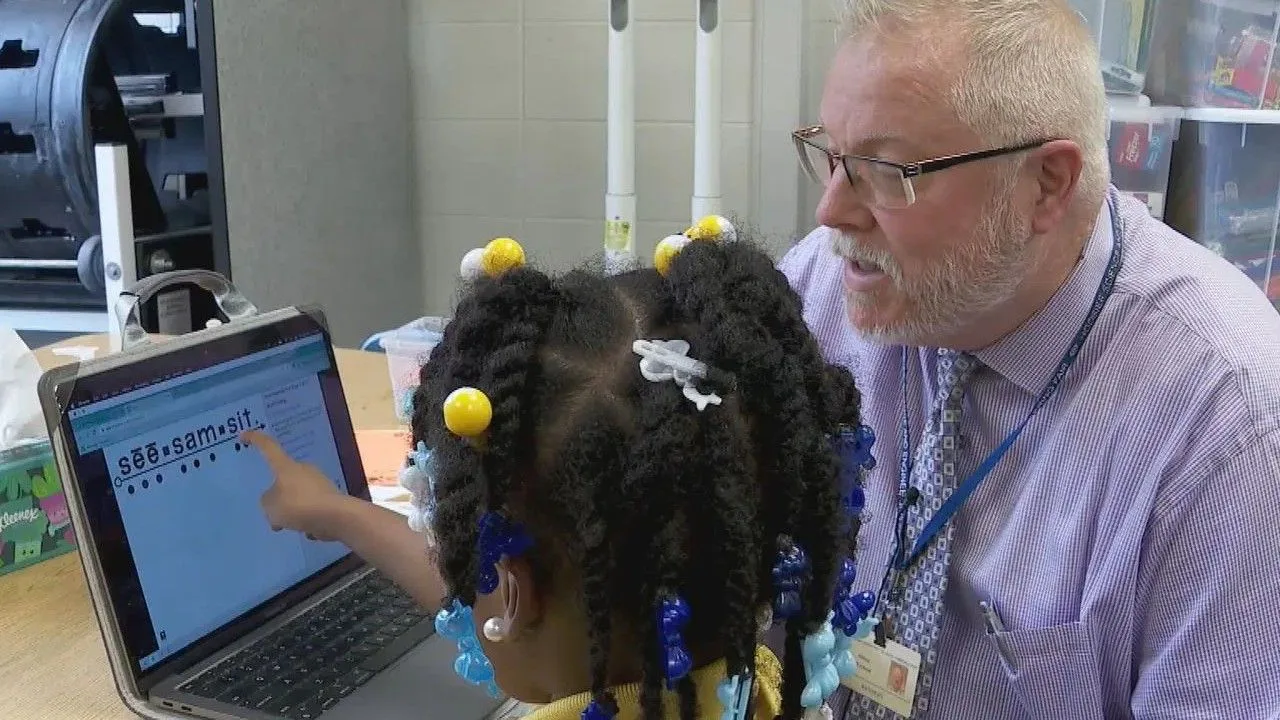
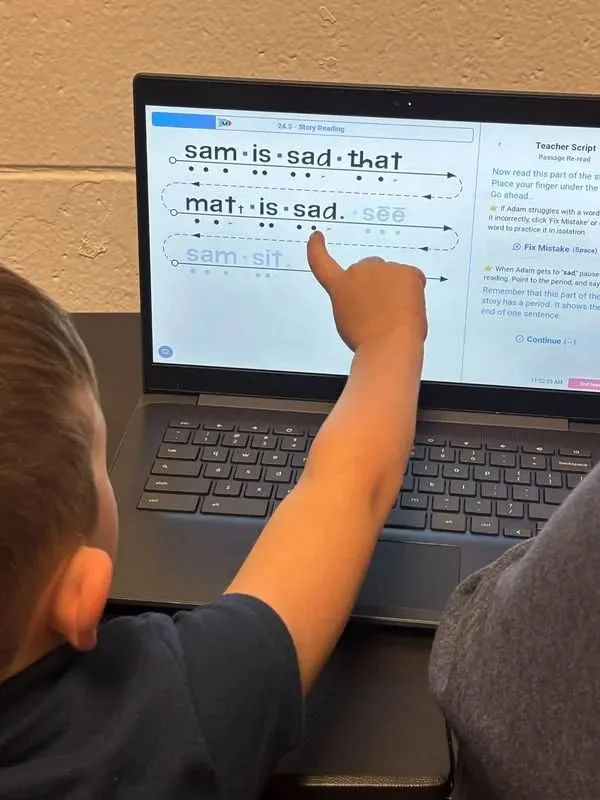
Once is a one-on-one early reading program for pre-K and kindergarten students. We help schools deliver daily, 15-minute, in-person sessions designed to make high-quality, individualized reading instruction possible at scale.
We’ve created a scripted curriculum specifically designed for one-on-one instruction. Every lesson builds on the one before it, and every student moves through the curriculum at their own pace.
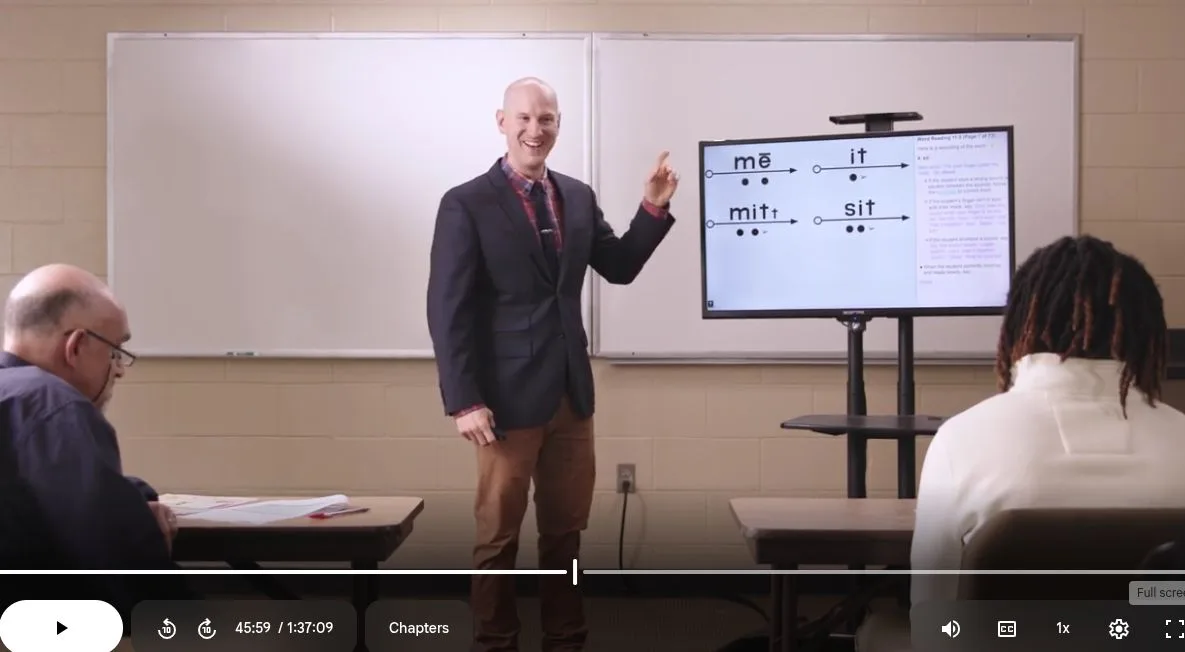
You don't need to be a certified teacher or a reading expert to deliver the instruction. A paraprofessional, teaching assistant, or other caring adult can provide highly effective reading instruction with the support of our technology, curriculum, and coaching.
Because the instruction is one-on-one, every child has to do the thinking, the blending, and the reading. There is nowhere to hide, and there is no waiting for the rest of the group to catch up.
We are not asking schools to replace their existing reading curriculum. We work with them to make room in their staffing and schedule for daily one-on-one instruction.
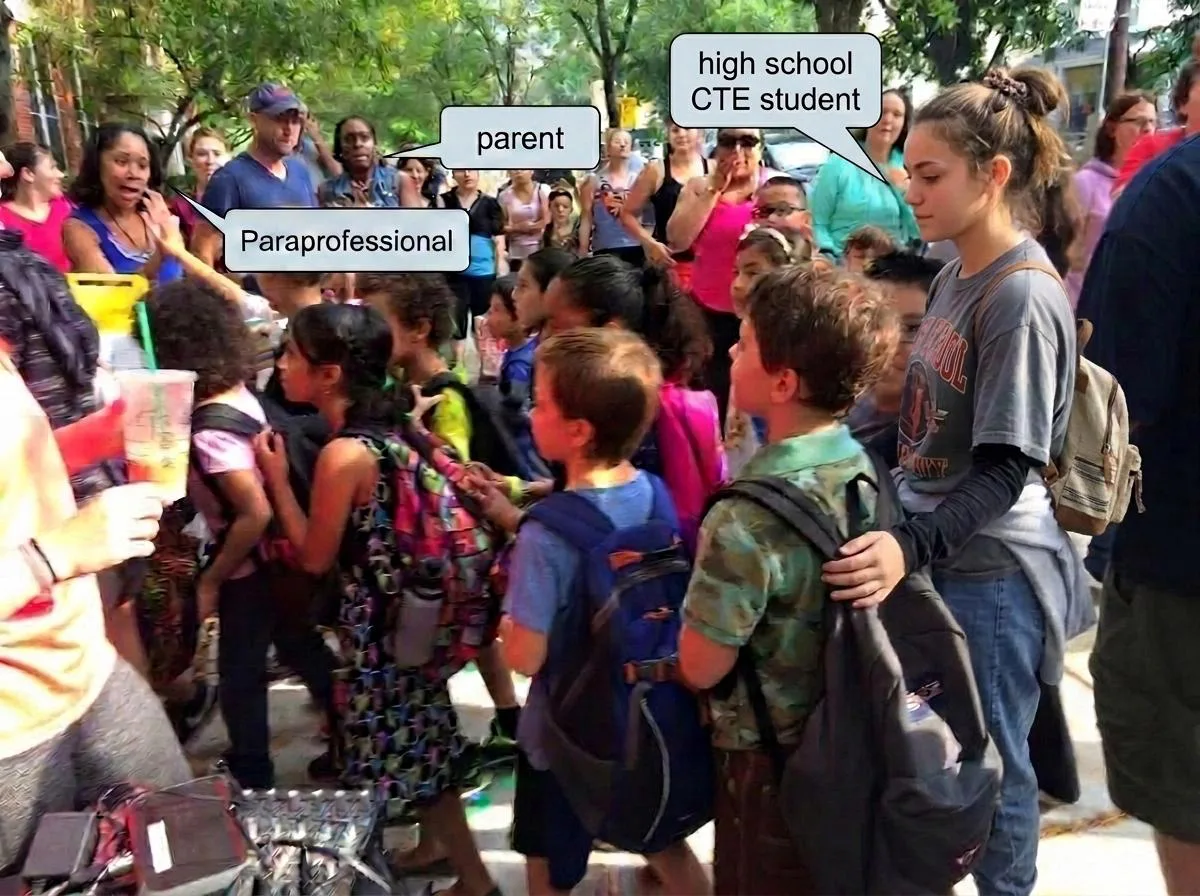
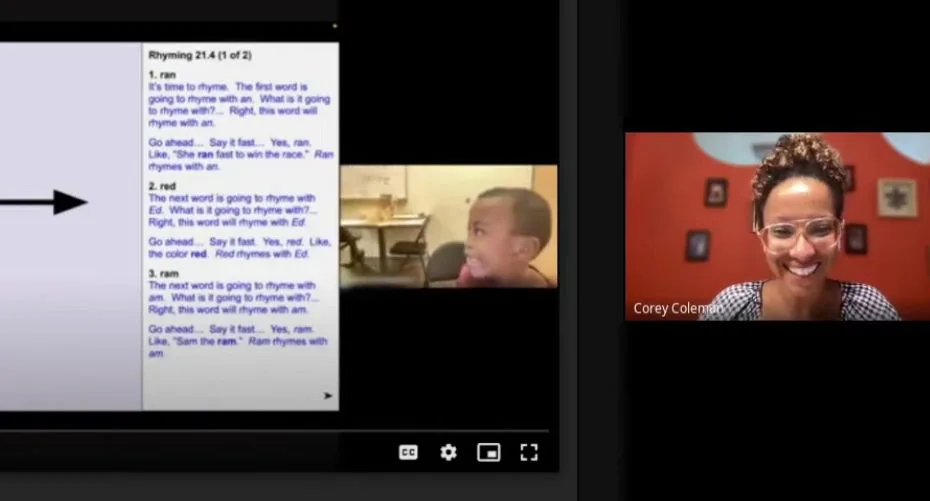
Schools don't have to hire an army of reading specialists to make this happen. They can use the talented adults they already have in their buildings and give them the tools, training, and support to become effective reading instructors. And we stay involved after launch, with coaching and regular check-ins.
Once activates them
Upskill existing paraprofessionals
Hire new paraprofessionals (Freedom Tax Credit)
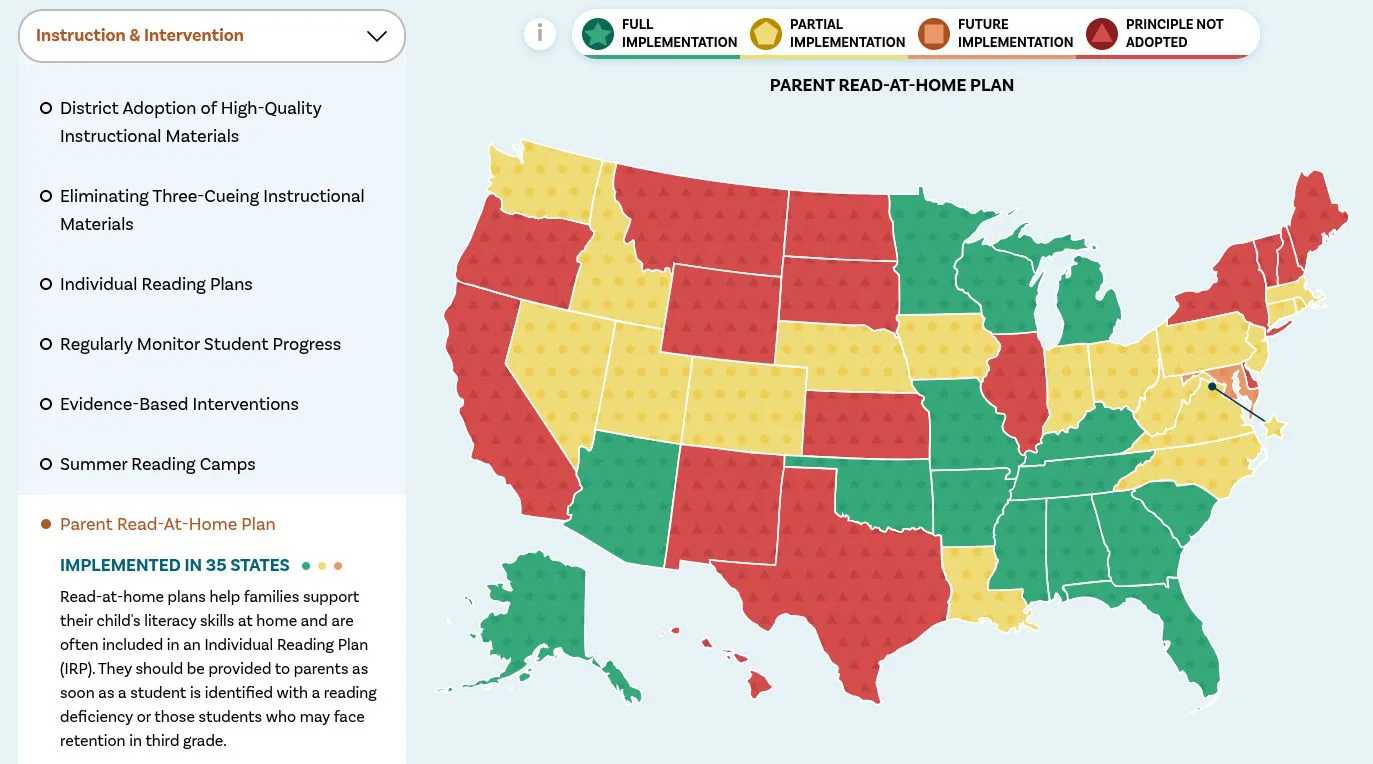
Equip parents to teach reading at home
Train high school CTE students
03The evidence
Once
Effect size
+0.22
Statistically significant (p = .033)
Focus group: below 50th percentile baseline
Sample size: 310 (T/C: 119/191)
Success for All
Average effect size
+0.29
STRONG evidence rating
No. studies
6
No. students
8,818
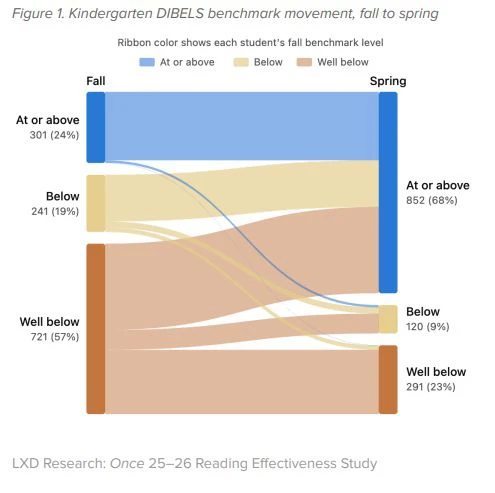
Tangipahoa Parish School District, LA · 1,263 students in 14 schools
Median national percentile rank, labeled
Box spans the 25th to 75th percentile; whiskers span the full range.
Source: LXD Research: Once 25-26 Reading Effectiveness Study
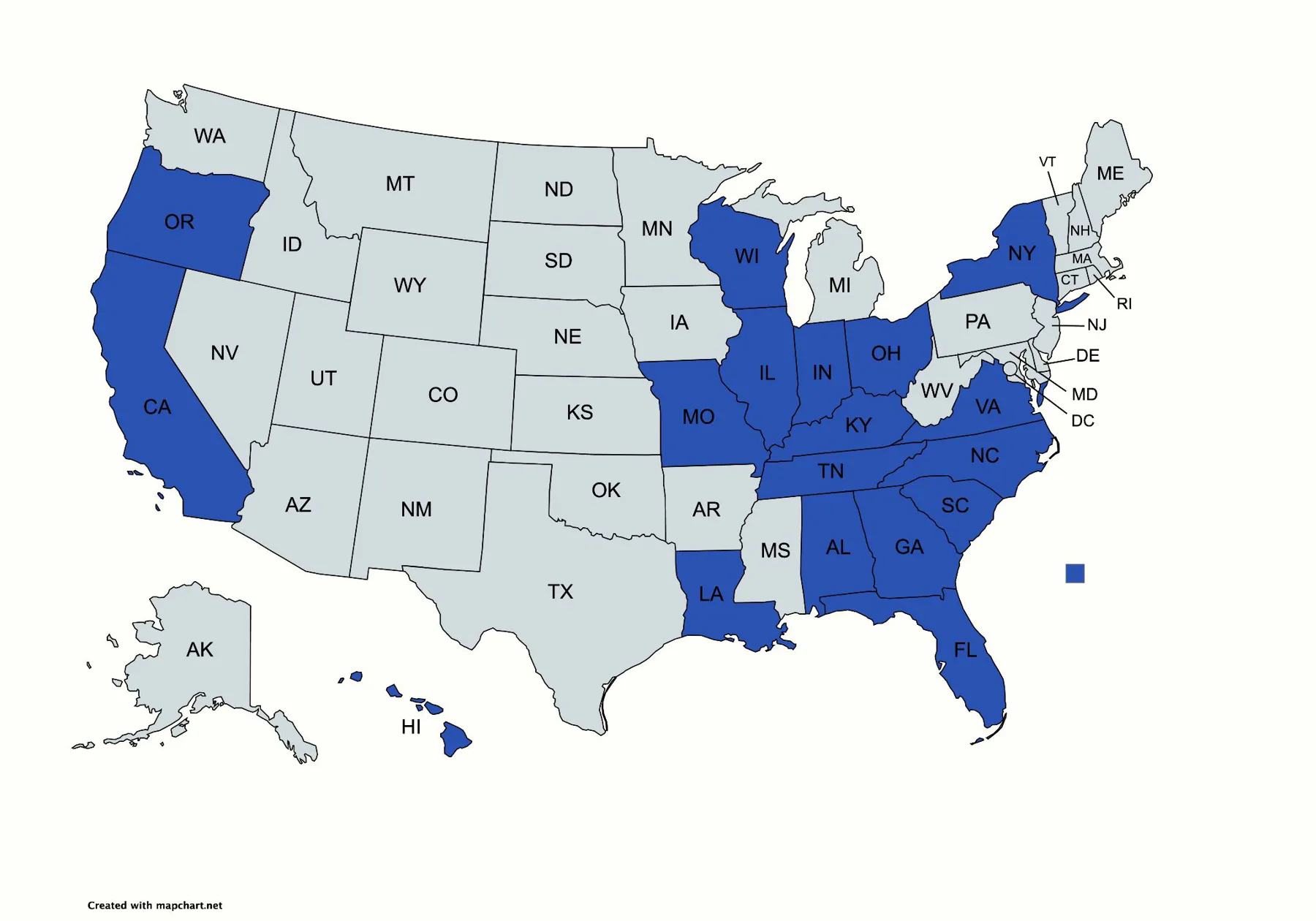
5,000
students in 20 states
04How it works
Paras, parents and peers
Human-led, one-on-one delivery
+15 minutes per student per day
Focused daily instruction
+ Chromebook, tablet or phone
Standard devices
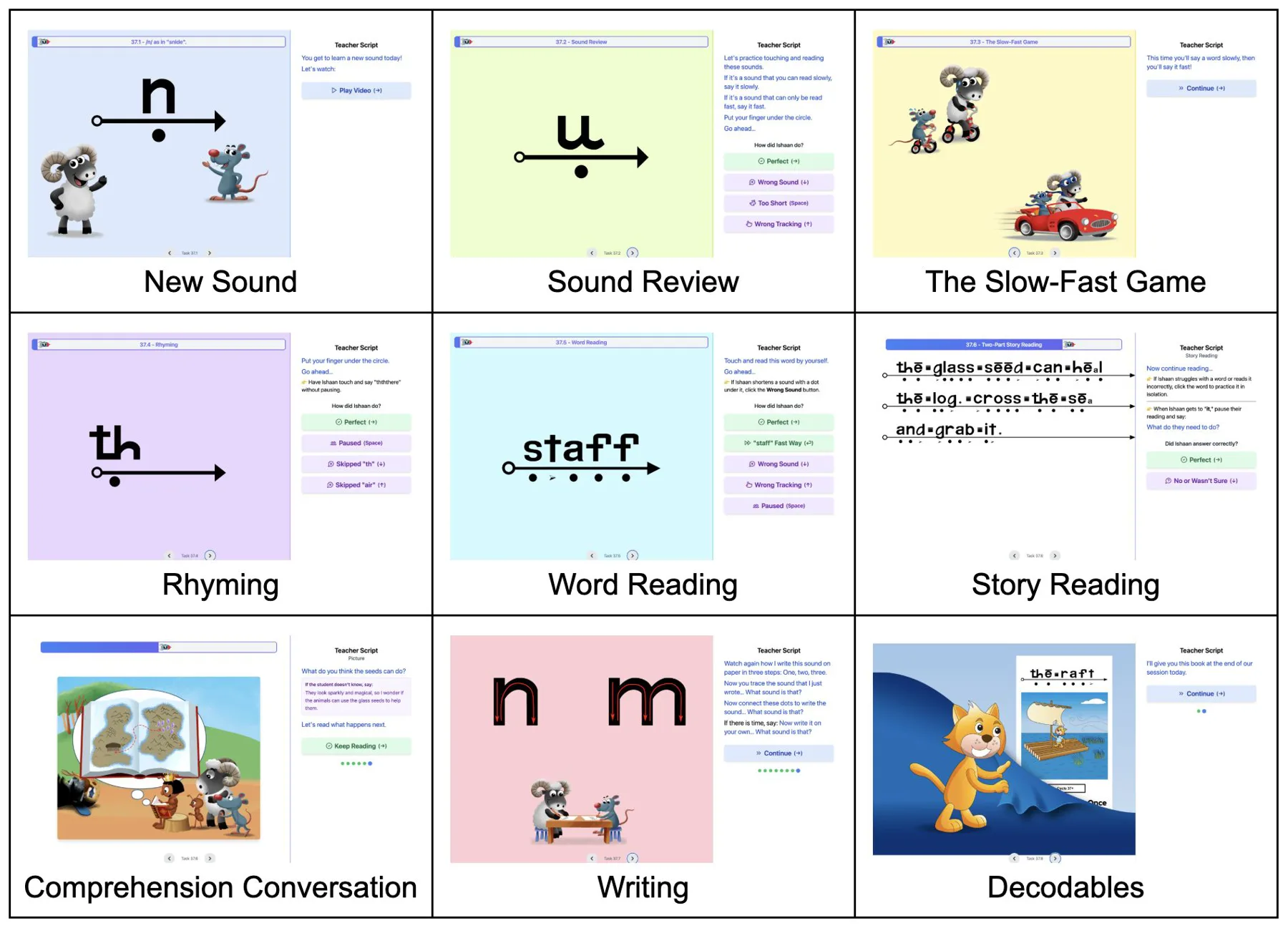
+ Once software with instructional script
Guided, structured learning
+ training and coaching
Continuous educator support
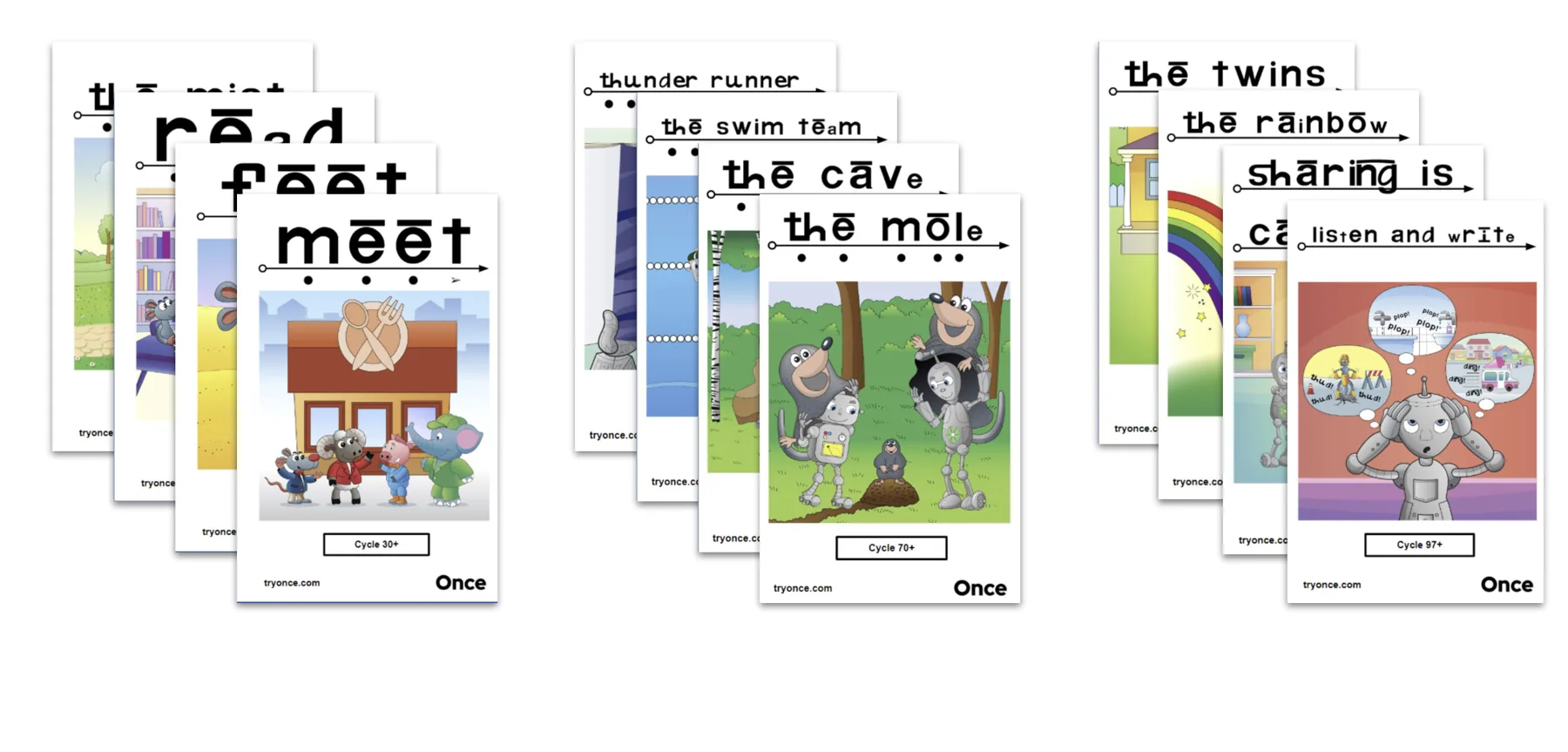
+ physical decodable books
Tactile reading materials
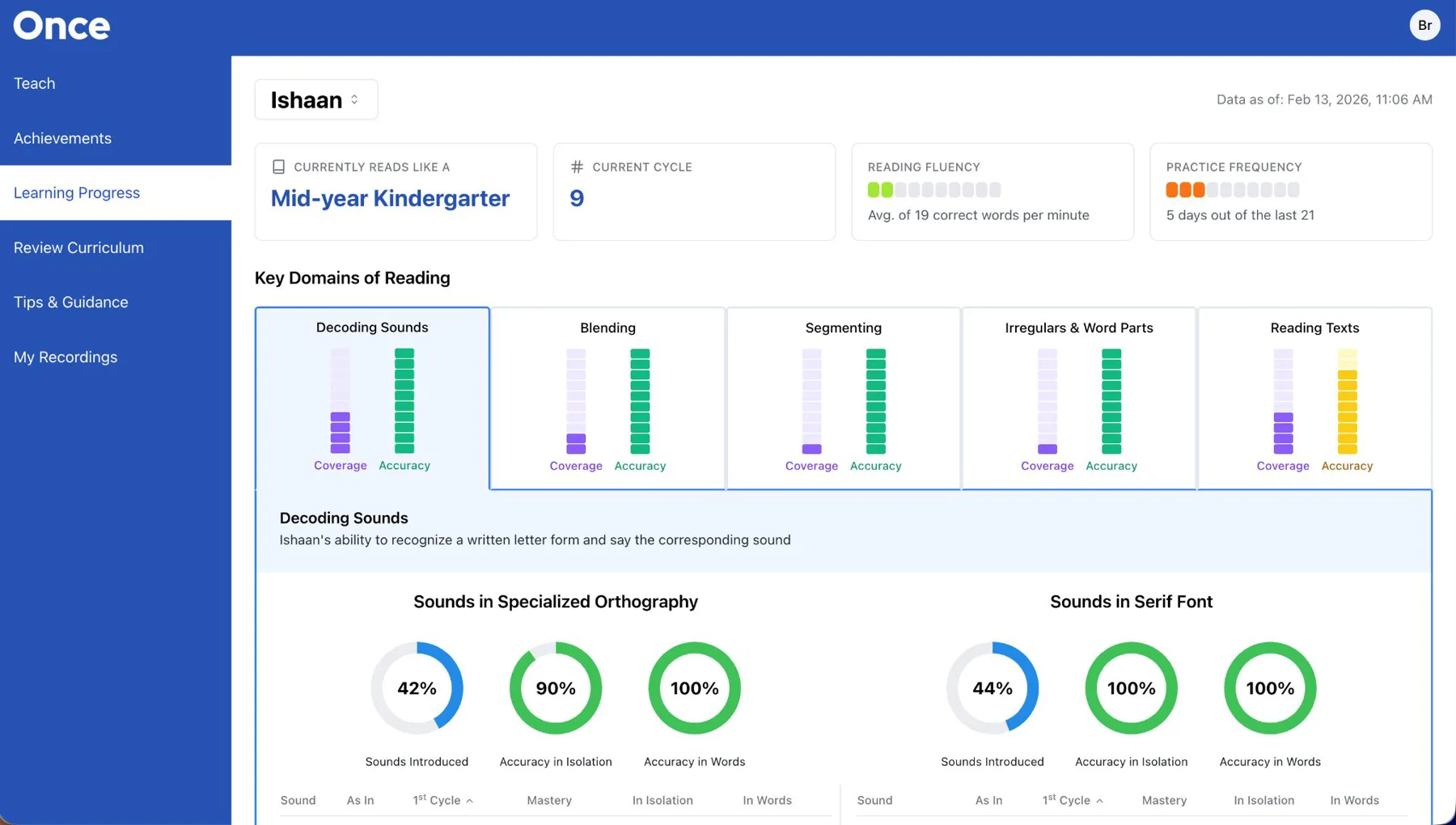
+ real time data and program support
Actionable metrics and dedicated partner success to ensure student growth
05Delivery models
Delivery model 1
Delivery model 2
Once upskills your children’s parents/caregivers to deliver Once at Home on any laptop, tablet, or phone.
85%
of high school students take at least one Career and Technical Education (CTE) class.
Delivery model 3
Instructional challenge
CTE teachers are not typically expert in teaching CTE students to deliver evidence-based early reading instruction.
Comprehensive support
Once provides training, software, materials, coaching for CTE teachers and a learning community for students.
Perkins funding
Perkins funding can be used to pay for training, curriculum, and materials.
06Launch + funding
Federal funding sources
Schoolwide/targeted tutoring for low-income students.
Migrant education and juvenile facility re-entry support.
School Improvement Grants for high-needs populations.
Recruitment, training, and stipends for educators acting as tutors.
Tailored tutoring for English Learners (ELL).
Enrichment, before/after-school & summer programs.
Specialized academic intervention for students with disabilities.
Catch-up tutoring for students facing homelessness.
Flexible rural school program funding.
State & local budgets
State-allocated categorical funds targeted at low-achieving students or specific risk factors.
State-specific literacy, math acceleration, or high-dosage tutoring grant programs allocated by state education agencies.
District operating budgets strategically reallocated through Multi-Tiered System of Supports (MTSS) frameworks.
Alternative & partnerships
Partner with colleges using work-study community service funds to place students as tutors.
Collaborate with teacher-training courses where university students earn clinical credit tutoring.
Utilize AmeriCorps State/National, VISTA, or Senior Corps volunteers to staff interventions.
Seed funding and startup grants from private donors and educational non-profits.
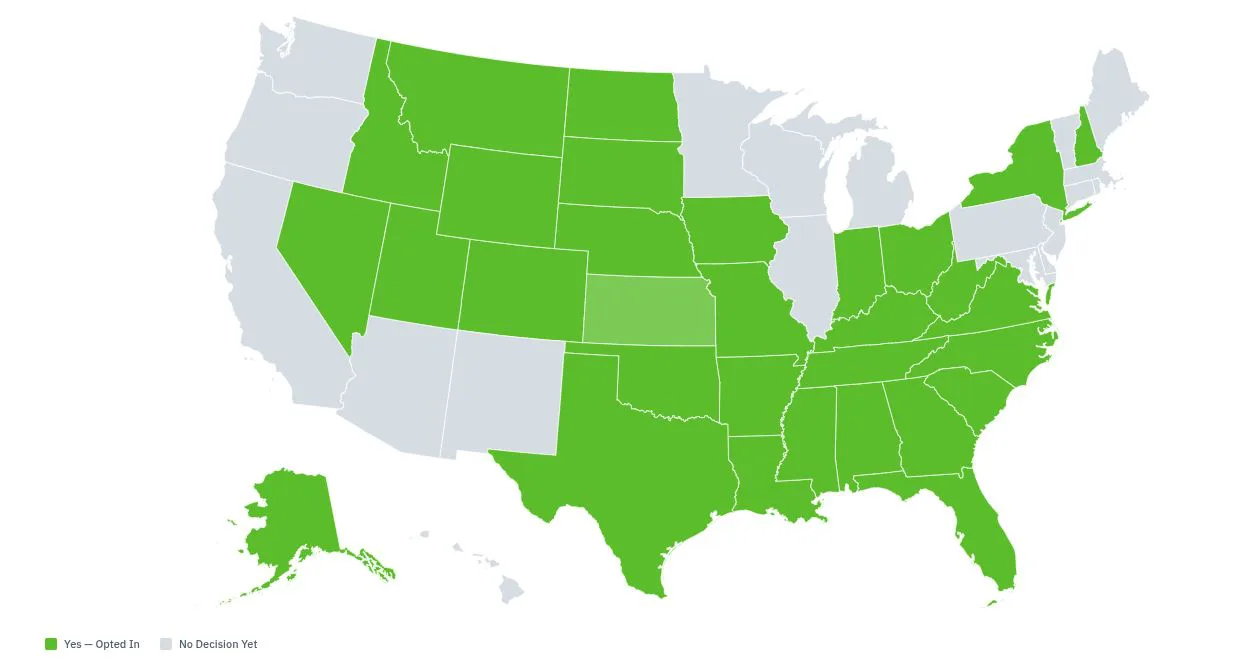
State program availability
Beginning January 1, 2027, taxpayers can allocate federal tax liability toward student early-reading scholarships at zero net out-of-pocket-cost. Once hires and manages the tutors and you get the entire Once Early-Reading Program at no cost.
How the donation & tax credit cycle works
Taxpayer
$1,700 donation
Non-profit scholarship granting organization
Grants the scholarship
Student
Receives scholarship
Federal government (IRS)
Issues the credit
Taxpayer
$1,700 tax credit
Before we talk about next steps, what questions do you have? What feels like a good fit for your school, and what would be hardest to make work?
Let’s talk through those pieces so we understand what you would need.
Contact
Tell us about your district and what you would need, and the Once team will follow up.