
Funding Once in your schools
Federal funding sources
Federal programs can pay for tutoring for the students they serve, from low-income students and English learners to students with disabilities.
Title I, Part A
Schoolwide/targeted tutoring for low-income students.
Title I, Part C & D
Migrant education and juvenile facility re-entry support.
Title I, Sec 1003(g)
School Improvement Grants for high-needs populations.
Title II, Part A
Recruitment, training, and stipends for educators acting as tutors.
Title III, Part A
Tailored tutoring for English Learners (ELL).
Title IV, Parts A & B
Enrichment, before/after-school & summer programs.
IDEA
Specialized academic intervention for students with disabilities.
McKinney-Vento Act
Catch-up tutoring for students facing homelessness.
RLIS
Flexible rural school program funding.
Perkins V (CTE)
Career and technical education programs, including work-based learning for high school students in education and teaching pathways.
State, local, and partnership funding
State and district budgets, college partnerships, and grants can fund tutoring on their own or alongside federal dollars.
State & local budgets
State Compensatory Education / Formula Funds
State-allocated categorical funds targeted at low-achieving students or specific risk factors.
State Competitive / Legislative Grants
State-specific literacy, math acceleration, or high-dosage tutoring grant programs allocated by state education agencies.
Local Operating / General Funds
District operating budgets strategically reallocated through Multi-Tiered System of Supports (MTSS) frameworks.
Alternative & partnerships
Federal Work-Study (FWS)
Partner with colleges using work-study community service funds to place students as tutors.
Educator Prep Programs (EPPs)
Collaborate with teacher-training courses where university students earn clinical credit tutoring.
AmeriCorps Grants
Utilize AmeriCorps State/National, VISTA, or Senior Corps volunteers to staff interventions.
Private Philanthropy & Grants
Seed funding and startup grants from private donors and educational non-profits.
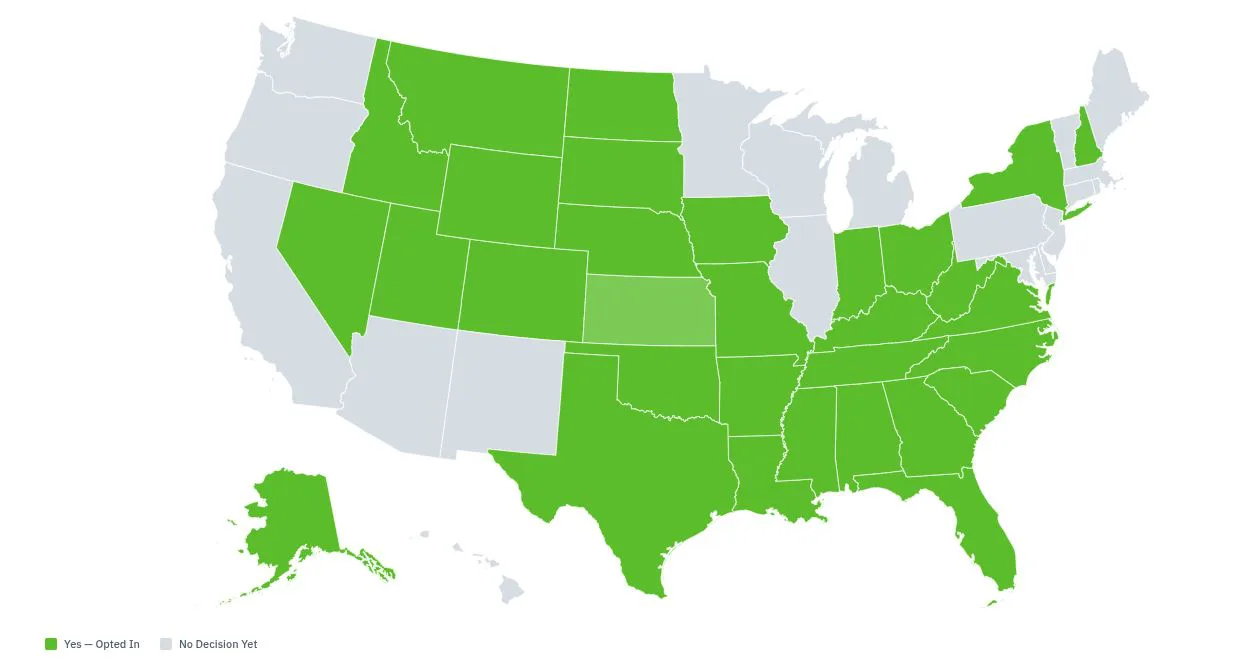
Free Once tutoring through the Education Freedom Tax Credit
Beginning January 1, 2027, taxpayers can allocate federal tax liability toward student early-reading scholarships at zero net out-of-pocket-cost. Once hires and manages the tutors and you get the entire Once Early-Reading Program at no cost.
How the donation and tax credit cycle works
- 1
Taxpayer
$1,700 donation
- 2
Non-profit scholarship granting organization
Grants the scholarship
- 3
Student
Receives scholarship
- 4
Federal government (IRS)
Issues the credit
- 5
Taxpayer
$1,700 tax credit
From funding to first lesson
Once your funding is set, the Once Program team handles onboarding and stays with your schools all year.
Getting started
- 1Select delivery model(s)
- 2Designate district point person
- 3Select schools
- 4Once Program team onboards schools, confirms staffing, schedules and locates training, instruction
Ongoing support
- 1Up to weekly staff coaching
- 2Monthly district meeting
- 3Monthly school meeting
- 424-7 email, phone, text support
Have a question?
Talk through funding for your schools
Tell us about your district and the funding you are considering, and the Once team will follow up.