A state opts in
The state elects to participate and certifies which Scholarship Granting Organizations can accept FSTC donations.

Starting in 2027, the FSTC gives families the opportunity to access scholarships for K-12 services, paid for by taxpayers who get their donation back as a federal tax credit. Here is how it works and what it can mean for schools and families.
$1,700
Maximum credit per taxpayer each year. Married couples filing jointly can claim up to $3,400 when each spouse gives.
Jan 1, 2027
First day a donation can count toward the credit.
30 states
Have opted in for 2027, according to the IRS list as of October 22, 2026.
Source: IRS
The Federal Scholarship Tax Credit (FSTC) gives families the opportunity to access scholarships for K-12 services for their children. Those scholarships are paid for by taxpayers who donate to scholarship granting organizations, or SGOs.
Based on family income, Treasury and the IRS estimate that 96% of K-12 students in participating states will be eligible for a scholarship. Taxpayers can give up to $1,700 ($3,400 for married couples filing jointly) to an SGO in a state that opts in and get it back as a dollar-for-dollar credit when they file their federal taxes.
Taxpayers
US citizens and residents give cash to an approved Scholarship Granting Organization and claim the credit on their federal return. Donors can give to an approved organization in any participating state.
States
Each state decides whether to join. The governor, or whoever state law designates, elects in and sends the IRS a yearly list of approved Scholarship Granting Organizations.
Scholarship Granting Organizations
501(c)(3) public charities that keep FSTC donations in separate accounts, spend at least 90% of their income on scholarships, and serve 10 or more students who do not all attend the same school.
Students and families
A student qualifies if they are eligible to enroll in a public K-12 school and their household income is no more than 300% of the area median. Scholarships are not taxable income for families.
The FSTC turns a donor's federal tax bill into help for students. Here is what that can look like on both sides of the school door.

Most families qualify
Households earning up to 300% of their area's median income are eligible. Treasury and the IRS estimate that covers 96% of K-12 students in participating states.
Extra help without changing schools
Students qualify by being eligible for public school, and expenses can be tied to a public, private, or religious school. A child can get support like tutoring right where they already learn.
Real costs covered, tax-free
Scholarships can pay for tutoring, special needs services, books, supplies, technology, and more, and they do not count as taxable income.
Support that can continue
Students who received a scholarship get priority the next year, and so do their brothers and sisters.
New money outside the budget
Scholarships are funded by federal taxes that donors choose to redirect, not by district, state, or local budgets.
Help for public school students
Academic tutoring connected to a student's school is a qualified expense, so scholarships can add support for the students you already serve. Treasury has said more guidance on expenses is coming.
Dollars stay in your state
A Scholarship Granting Organization can only use FSTC donations for students in the state where it is listed.
A cause your community can rally behind
Scholarship organizations can focus on a subject area, giving local employers, staff, and neighbors a clear priority to give toward, such as early reading.
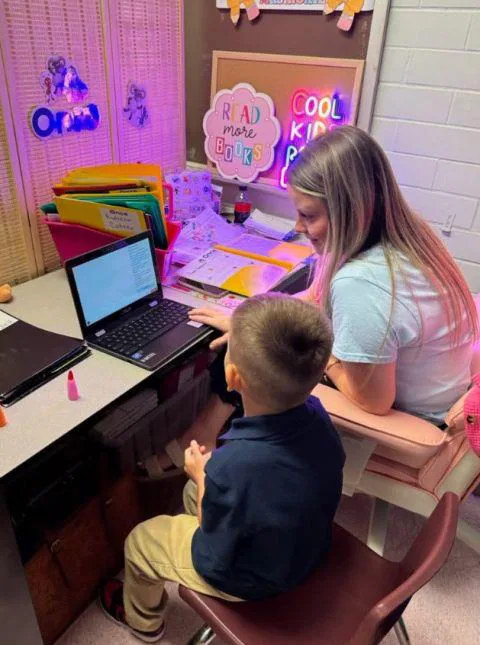
For a district, this can mean daily one-on-one reading tutoring for kindergarten and first grade at no cost. See how Once and the Family Tutoring Alliance do it.
30 states have elected to participate for 2027, as of October 22, 2026. States can still join, so check the IRS list for the latest.
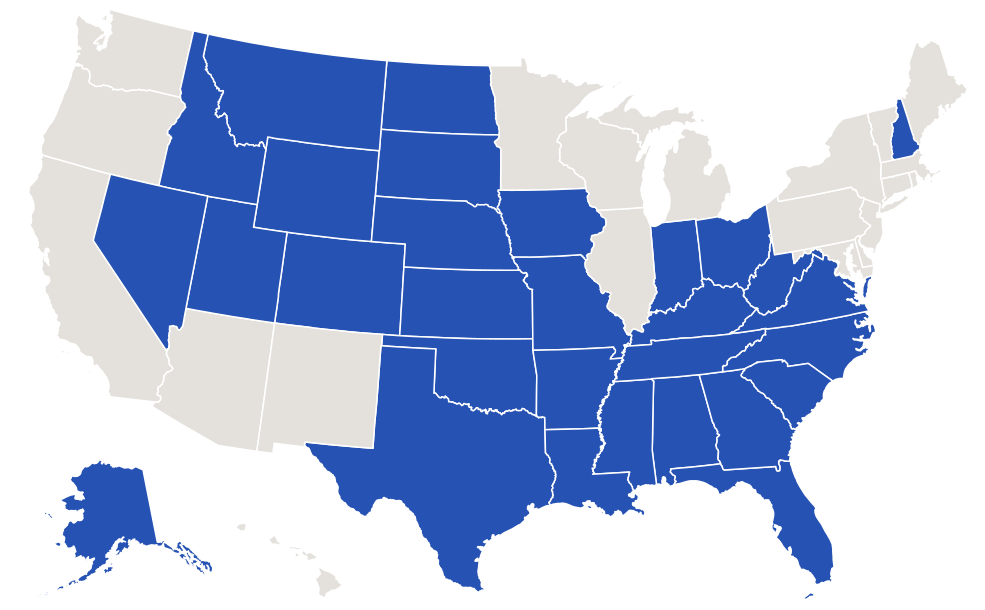
Participating states: Alabama, Alaska, Arkansas, Colorado, Florida, Georgia, Idaho, Indiana, Iowa, Kansas, Kentucky, Louisiana, Mississippi, Missouri, Montana, Nebraska, Nevada, New Hampshire, North Carolina, North Dakota, Ohio, Oklahoma, South Carolina, South Dakota, Tennessee, Texas, Utah, Virginia, West Virginia, Wyoming.
July 4, 2025
The One Big Beautiful Bill Act creates the credit as section 25F of the tax code.
December 12, 2025
The IRS sets the process for states to elect in for 2027.
October 2, 2026
Treasury and the IRS publish proposed and temporary regulations.
December 1, 2026
Public comments on the proposed rules close and the temporary rules take effect.
January 1, 2027
Donations to approved organizations begin to count toward the credit.
FSTC scholarships cover qualified elementary and secondary education expenses, the same list used for Coverdell education savings accounts. Treasury has said more guidance on these expenses is coming, so details may change.
Academic tutoring is named in the law's list of qualified expenses. That gives communities a new way to fund daily, one-on-one tutoring for young readers, the kind of support that is hard to pay for out of regular school budgets.
Qualified expenses include
Together with the Family Tutoring Alliance, a Scholarship Granting Organization, Once is bringing free in-school reading tutoring to districts through the FSTC.
Once hires, trains, and manages tutors you recommend, who give kindergarten and first grade students a daily 15-minute one-on-one reading session during the school day. The Family Tutoring Alliance funds the scholarships, so there is no cost or administrative burden for the district.
Learn more
Tell us about your district or school, and the Once team will follow up about the Family Tutoring Alliance partnership and how FSTC scholarships could fund reading tutoring for your students.
This page is for general information only and is not legal, tax, or financial advice. FSTC rules may change as Treasury and the IRS finalize regulations. Talk with a tax professional about your situation.